AS 91156 · 4 credits · External
Cells
Demonstrate understanding of life processes at the cellular level
Study with Coach
Save your actual school result to count your credits.
This standard asks you to show you understand how cells carry out three major life processes: photosynthesis, respiration (both aerobic and anaerobic), and cell division. You need to be able to define these processes, describe what happens in them using diagrams, explain why they matter to cells, and connect different biological ideas (like how enzymes and movement of materials work) to show how these processes actually function.
What to do, grades and common mistakes
- ·Define and describe the three main life processes: photosynthesis, respiration (aerobic and anaerobic), and cell division, including identifying their reactants, products, and locations in the cell
- ·Explain how movement of materials (diffusion, osmosis, active transport) and enzyme activity relate to and support life processes at the cellular level
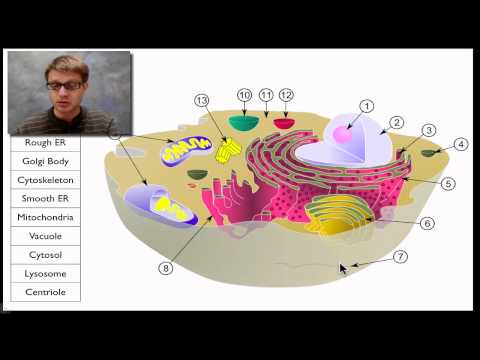
- ·Use annotated diagrams and models to show how life processes work, including enzyme-substrate complexes and the phases of photosynthesis
- ·Identify and explain what factors (like temperature, light intensity, carbon dioxide) affect the rate of these processes and why
- ·Link biological ideas together to show how and why life processes happen the way they do at the cellular level, comparing and contrasting different processes or conditions
You identify the reactants and products of each life process, define key terms accurately, draw a diagram of an enzyme, and describe how different factors like temperature affect enzyme activity.